The benefits of moving more

Find your inner motivation

Our Motivational Coachbot gives friendly, private, and non-judgemental support to help you feel confident about being more active. Designed by people with health conditions and health experts, it shares tips and ideas that others find useful and helps you create a personalised plan to move more.

Currently only available in the United Kingdom – please click on the little character in the bottom right hand side of this website to start your chat.

Common questions and concerns

Generally any increase in the amount you do is good for you and safe. If you have specific concerns about your symptoms or conditions, have a look at the safety pages or health conditions and symptoms pages. If you still have concerns, it’s always OK to talk to your medical team too.

You may feel a little more discomfort at first as your body gets used to new movements — this is completely normal, it doesn’t usually mean you’ve done any harm. In fact, regular movement can help reduce pain over time by strengthening muscles, supporting your joints and optimising your pain pathways

The golden rule is start with what you were doing in the last few days and build up from there. Try to avoid the ‘boom and bust’ cycle by starting at a level you can maintain every day and gradually increase week by week

Finding time to be more active can feel difficult, especially at first, but you don’t need to drastically change your routine to start feeling the benefits. Sometimes it’s just about making small changes to what you do already – like walking to the bus stop , cycling to the shops or using stairs instead of the lift.

It’s completely understandable to feel that way, but the truth is, it’s never too late to start moving more. In fact, the people who are least active often see the biggest benefits from making small changes. Even gentle movement can improve your strength, balance, energy levels, happiness and confidence. You can still build muscle and increase fitness at any age. Every step counts, and it’s never too late to start feeling better.

It’s hard to move more when you’re already feeling tired. But one of the most effective ways to manage ongoing tiredness or fatigue is actually to become more active.

That’s okay, being more active doesn’t have to mean going to the gym or joining a class. You can fit movement into your everyday routine in ways that feel natural and enjoyable to you

It’s true, our weather can make it tricky to rely on outdoor activities. But there are still plenty of ways to stay active, whatever the forecast – from swimming at your local pool, to dancing round the house while you’re hoovering! Being outside with nature can help with mental health and wellbeing so try and build a little into your daily routine when weather allows, and keep a back-up plan at the ready.

Getting more active doesn’t have to cost anything. Many of the best ways to move more are completely free and don’t require any special equipment. Consider things like walking, gardening, home exercise routines or volunteering. You might also find free or low-cost classes and activities in your local community. In some areas, there are specially designed exercise programmes at no cost.

It’s completely understandable to feel nervous about falling, but staying active is actually one of the best ways to reduce your risk of falling. Find out more here. If you’re concerned, start with activities that are supervised or supported. Don’t be afraid to ask for help.

Every journey begins with a single step, and you’ve already taken it just by being here. Have a look at our ways to move pages to find something you might like and how to get started.

You are not alone

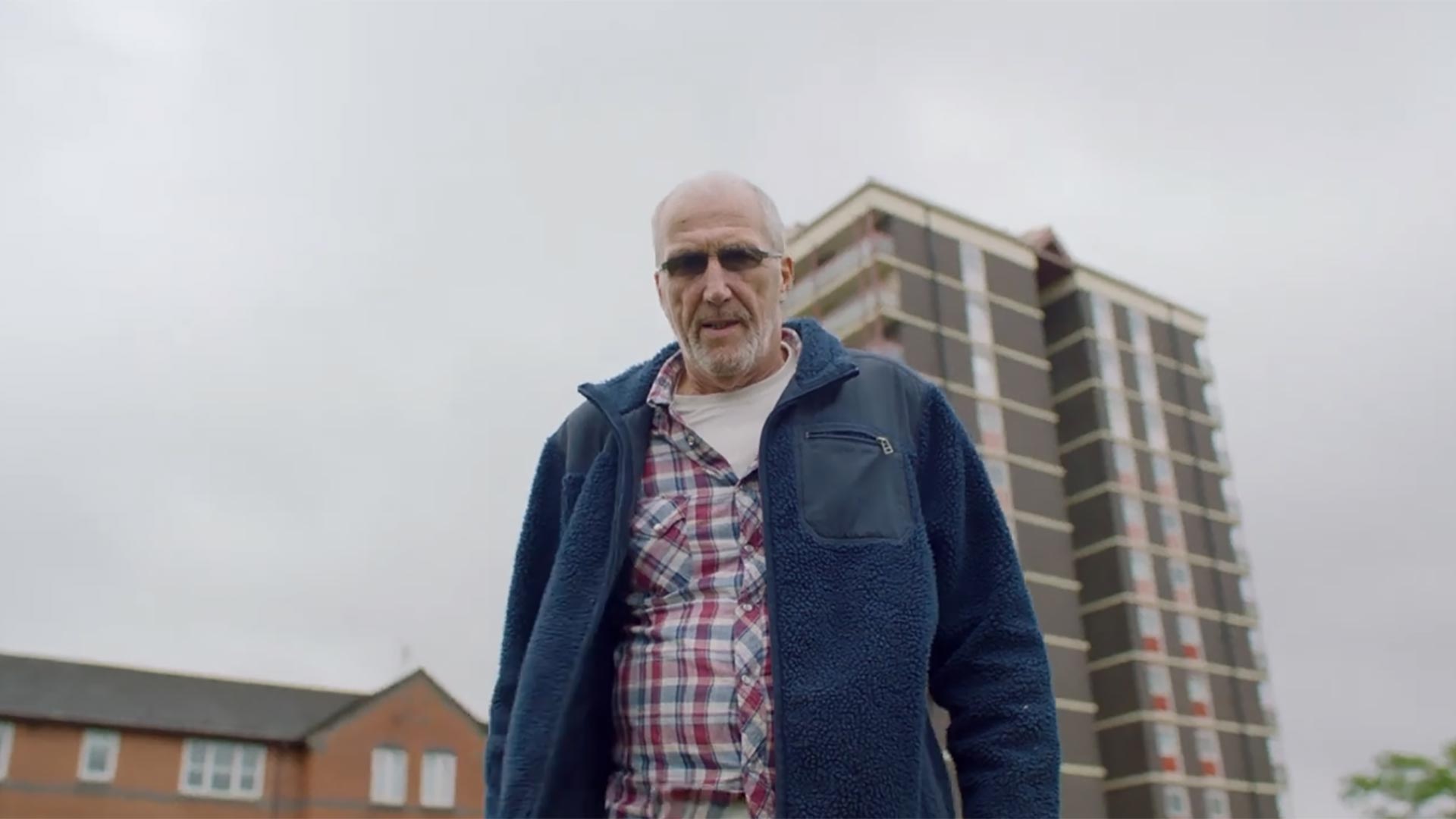
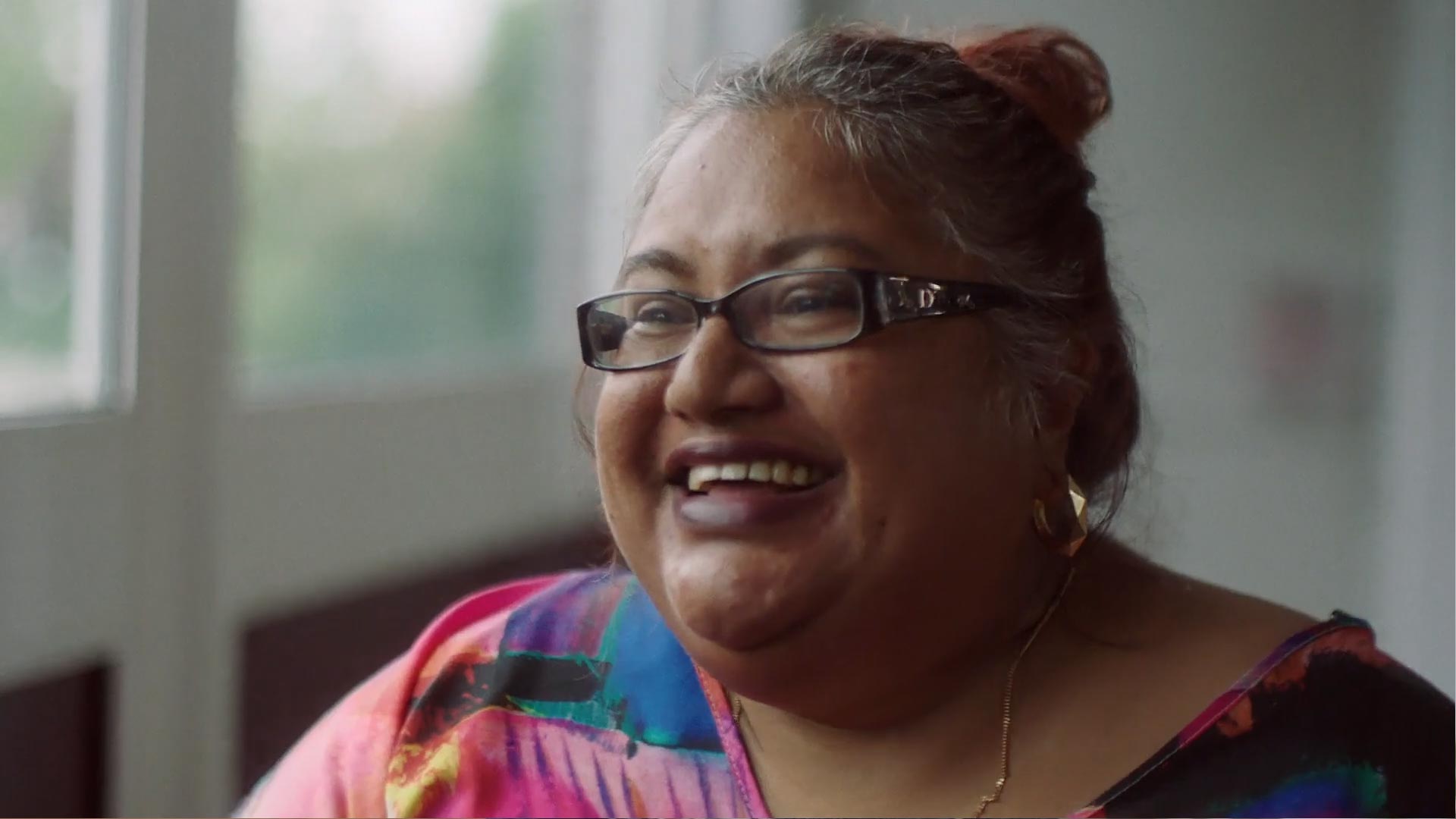
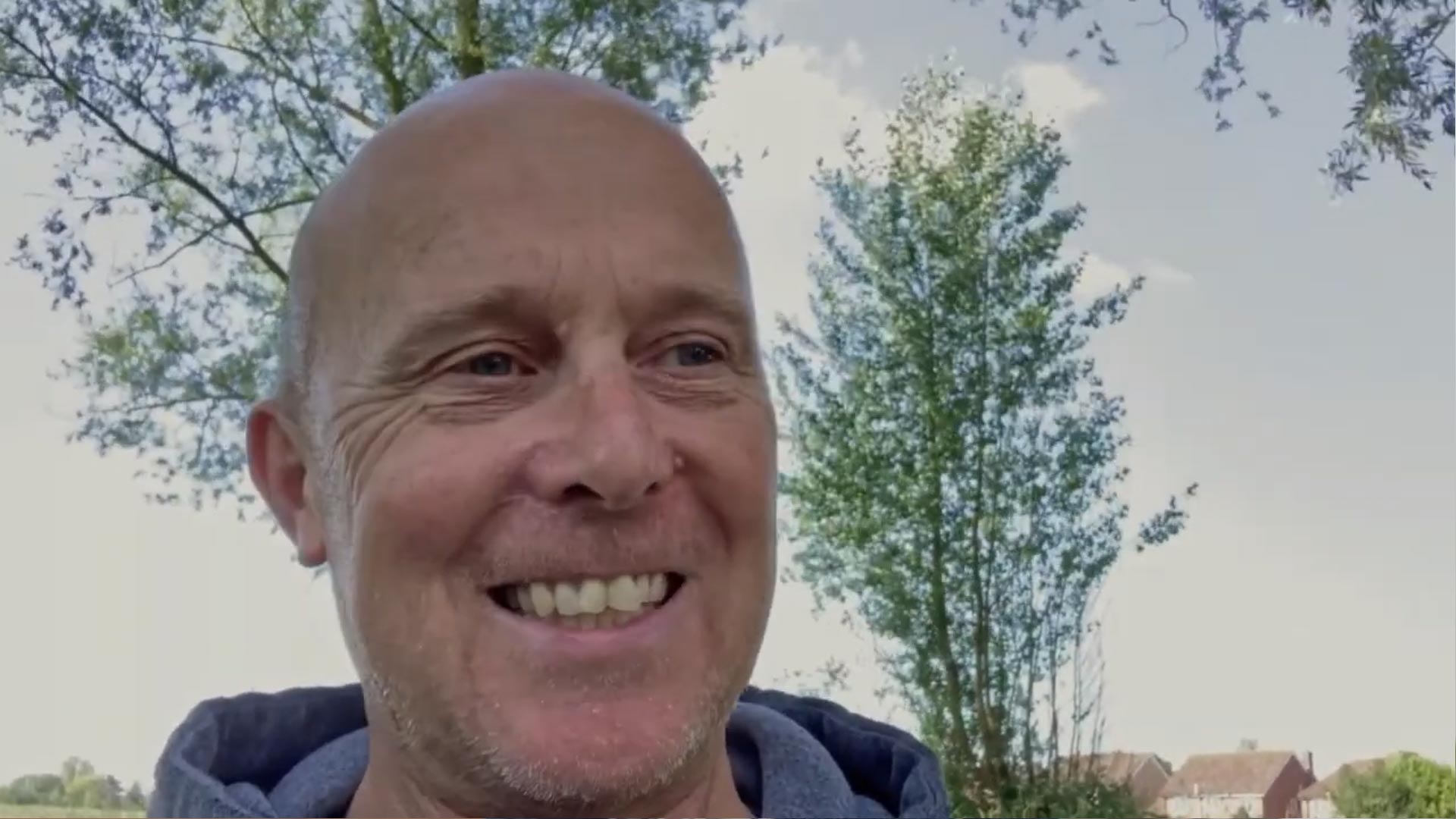
Learn more about other peoples’ experiences of getting active. Watch these inspirational stories from We Are Undefeatable.

Brought to you by experts in exercise medicine

This site has been put together by specialists in exercise medicine and supported and funded by Nuffield Health Charity.  In collaboration with academic experts, specialists in behavioural change, medics across a wide spectrum of specialties, physiotherapists, nurses and most importantly, people living with the symptoms of long term conditions. Through our rigorous academic process we have carefully ensured that all the information on this website is trustworthy and evidence based.

Endorsing organisations

The following organisations have contributed to and endorsed the content of this website.